
Recovering from oral cancer treatment is a journey—not just for the patient, but also for their loved ones.
After surgery, radiation, or chemotherapy, it’s natural to face changes in speech, eating, appearance, and emotions.
The good news is that with proper care, patience, and family support, many people go on to live healthy, fulfilling lives.
This blog will help patients and caregivers understand what to expect after treatment and how to move forward with confidence.
Healing After Treatment
Surgery Recovery

Swelling, pain, and stiffness in the mouth or neck are common but usually improve with time. These are natural reactions as the body heals after a major procedure.
Follow your doctor’s advice for wound care and oral hygiene. Rinsing with mild saline water, avoiding very hot or spicy foods, and keeping the surgical area clean are often recommended.
Rest is also important. Healing takes energy, so allow the body time to recover.
Speech and Swallowing
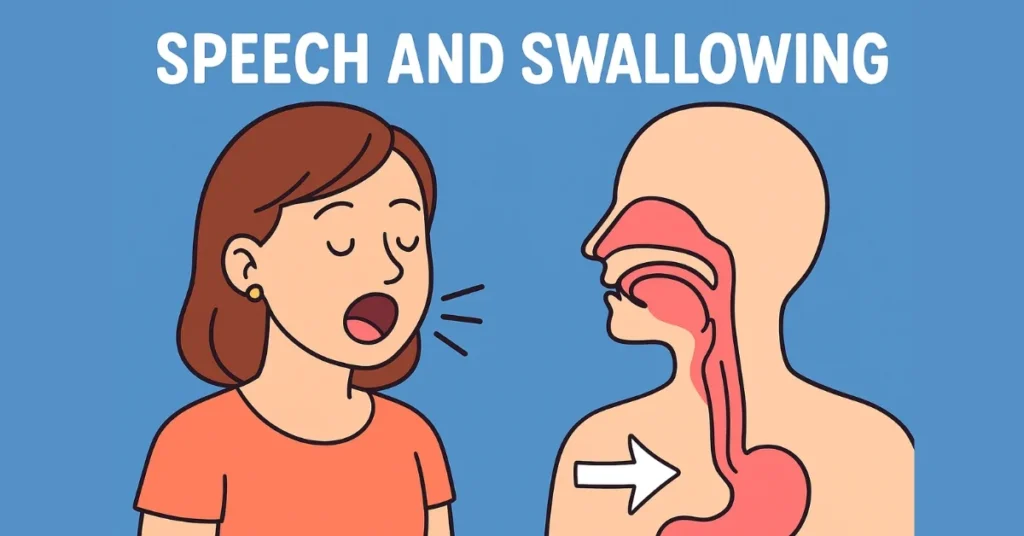
Some patients may notice difficulty in speaking or swallowing. This happens because surgery and radiation can affect the muscles of the tongue, jaw, or throat.
A speech and swallowing therapist can help retrain muscles and improve communication. Therapy exercises may feel slow at first, but every small improvement counts. Over time, many patients see significant progress.
Anaesthetic syrups like Mucaine (Oxetacaine) can help reduce pain and make swallowing easier. Practicing speaking at home with family members and reading aloud in a comfortable setting can also help rebuild confidence.
Nutrition
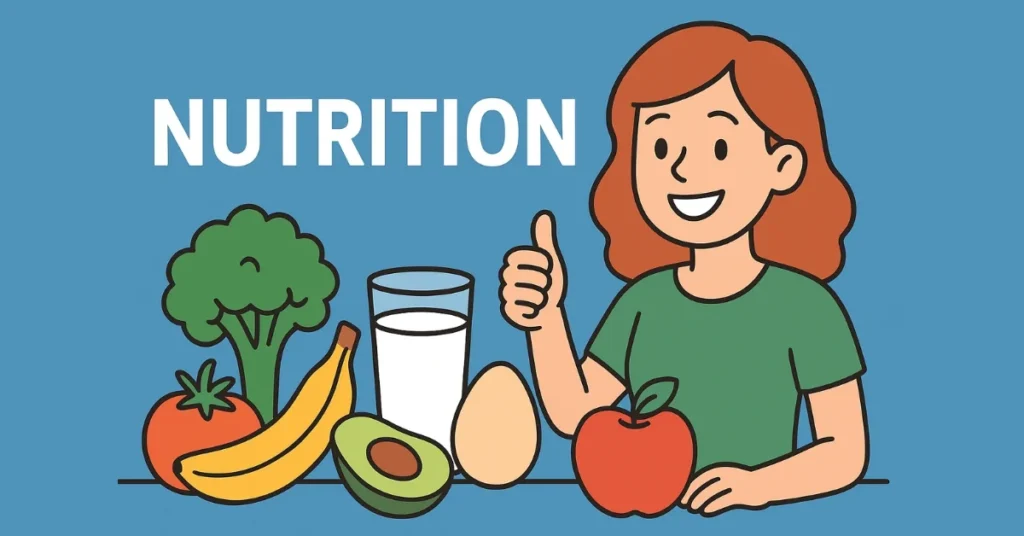
Eating may be difficult due to mouth soreness, dry mouth, or changes in taste. Some patients also lose appetite because food doesn’t taste the same as before.
Soft foods, high-protein diets, and liquid supplements help maintain strength. Staying well-hydrated is very important, as dehydration can worsen fatigue and dryness.
Small, frequent meals are better than larger meals and can be easier to tolerate. Patients may also benefit from foods like soups, smoothies, porridge, scrambled eggs, or yogurt, which are soft and rich in nutrients.
Artificial saliva sprays may help reduce dryness and make swallowing more comfortable. It’s also helpful to avoid very salty, acidic, or spicy foods during the recovery phase.
Check Best Diet for Oral Cancer Prevention
Emotional Well-Being
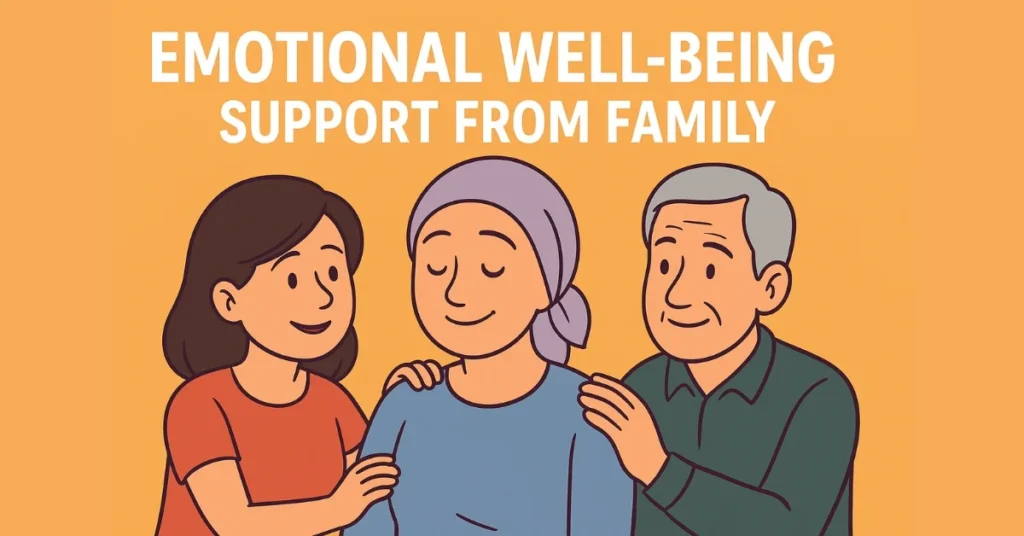
Recovery is not only physical. Emotional healing plays an equally important role.
Anxiety, sadness, or low confidence are common after cancer treatment. These feelings may appear when patients look in the mirror, struggle with speech, or face changes in their daily routine.
Talking to a counsellor, joining a support group, or simply sharing feelings with family can reduce emotional stress. Some patients also find strength in meditation, prayer, or journaling.
Never hesitate to ask for help because mental health is as important as physical health. Family members should also look out for signs of depression or withdrawal and encourage open conversations.
Rehabilitation after Oral cancer treatment
Rehabilitation is equally important as treatment after oral cancer surgery, as a patient’s facial architecture and musculature are often altered.
Rehabilitation helps patients return to eating, speaking, and social activities more comfortably.
Here are a few important devices that help patients resume eating earlier:
- Mandibular Appliance Prosthesis – Helps in aligning the upper and lower jaw after partial removal of one side of the jaw.
- Jaw Stretcher – Improves mouth opening, especially for patients with restricted jaw movement after surgery or radiation.
- Teeth Guard – Protects the gums and inner lining of the mouth when lower teeth are removed and upper teeth remain intact.
- Obturator – Closes the gap in the palate, preventing food from passing from the mouth to the nose.
These devices are customized by dentists, especially prosthodontists, to meet each patient’s needs. Early rehabilitation can greatly improve confidence and independence.
Healthy Lifestyle Choices
Making healthy choices after treatment is one of the most effective ways to support recovery and reduce the risk of cancer returning.

- Quit tobacco and alcohol completely. These are the leading risk factors for oral cancer and can slow healing.
- Maintain good oral care. Gentle brushing, rinsing, and regular dental visits help prevent infections.
- Stay active. Light exercise such as walking improves stamina, reduces fatigue, and boosts mood.
- Take care of your skin. If you received radiation therapy, protect treated areas from direct sunlight and follow medical advice on skincare.
Even small lifestyle changes—like choosing fresh, home-cooked meals over processed foods—can make a big difference in long-term health.
Importance of Follow-Up
Regular follow-ups are essential to ensure that recovery is on track.
During follow-up visits, the doctor will examine the oral cavity and neck completely to check for any ulcers, redness, or swellings. These visits allow the doctor to detect any early signs of recurrence or complications.
Doctors may also suggest CT scans, endoscopies, or blood tests to monitor progress. Even if you are feeling well, never miss scheduled appointments. Early detection of issues always makes treatment easier and more effective.
Support from Family and Caregivers
Family members are an important part of the healing journey. Their role goes beyond providing meals or medicines. They offer emotional strength and encouragement.
Encourage patients to attend therapy sessions and follow dietary recommendations. Be patient with speech or appearance changes, as adjustment takes time. Caregivers should remember to care for themselves too, because supporting a loved one can be physically and emotionally tiring.
Simple acts, like sitting with the patient during meals or accompanying them to hospital visits, can make them feel supported and less isolated.
Moving Forward with Hope
Life after oral cancer may bring changes, but it also offers a chance to build new routines, stronger relationships, and healthier habits. Many patients return to normal eating, speaking, and social activities with time.
Every step in recovery is a step towards a stronger, more hopeful future.
If you or your loved one is recovering from oral cancer, Dr Saurabh Jain and his team at SJ Cancer Clinic or American Oncology Institute, Raipur is here to guide you every step of the way.
📞 For appointments or support: +91-7974136495
Our Patients: Check now
Pingback: Life After Oral Cancer — A Simple Recovery Guide – Site Title