
Just diagnosed with cancer or helping someone who is? You’re probably feeling overwhelmed, confused, and full of questions.
We’ll walk you through all the major types of cancer treatments—like chemotherapy, surgery, radiation, and more.
You’ll learn what each treatment does, who it’s for, and what to expect.
No medical jargon. No complicated explanations.
Let’s get started.
What Are Cancer Treatments?
Cancer treatments are medical strategies used to remove, shrink, or control tumours. Some treatments aim for a complete cure. Others focus on helping you live longer with a better quality of life.
Treatments are not “one size fits all.” Doctors customise plans based on:
- Type of cancer
- Stage of cancer
- Your overall health
- Personal preferences
Your cancer type, stage, location, and even your personal health and preferences shape the plan.
You might receive more than one treatment. For example, surgery followed by chemotherapy.
The goal is Either to eliminate cancer, stop it from spreading, or manage it like a chronic condition—depending on your unique situation.
Main Types of Cancer Treatments
1. Cancer Surgery
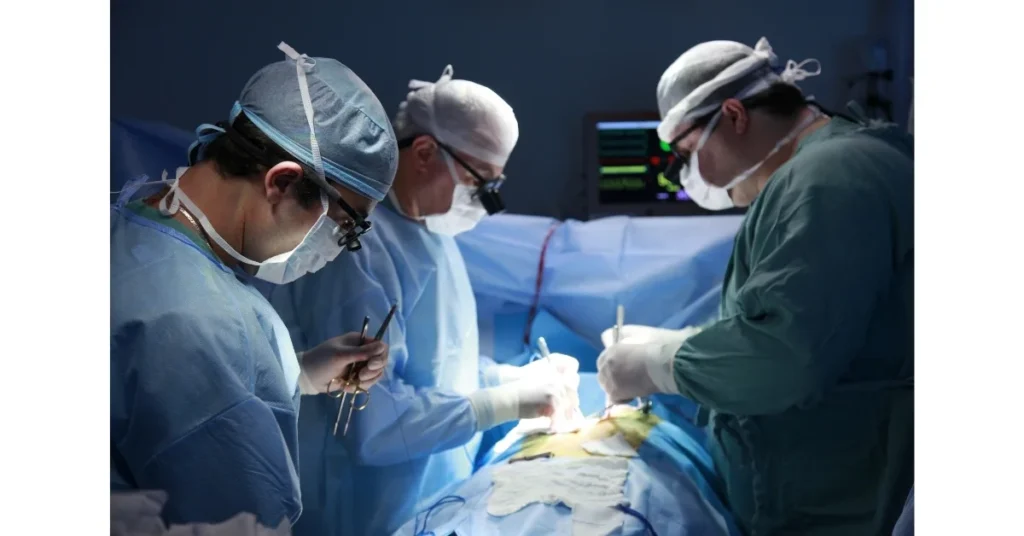
Surgery physically removes cancer from your body. It’s often used when cancer is localised and hasn’t spread far.
Types of cancer surgery:
- Curative: Removes all detectable cancer.
- Preventive: Removes tissue before it becomes cancerous (like precancerous polyps).
- Debulking: Removes as much tumor as possible before other treatments.
- Palliative: Eases symptoms like pain or pressure.
Here’s what you can expect:
- Hospital stay may be needed.
- Recovery time varies based on the surgery type and your overall health.
Always ask your surgeon about the risks, recovery time, and whether minimally invasive options (like laparoscopy) are available.
If the tumour can be reached and safely removed, surgery is often the first line of attack.
2. Radiation Therapy

Radiation uses high energy rays to kill cancer cells. It can be used alone or with other treatments.
Types of radiation:
- External Beam Radiation: Machine outside your body targets cancer.
- Internal Radiation (Brachytherapy): A radioactive source is placed inside the body near the tumor.
Commonly used for Breast Cancer, Prostate Cancer, brain Cancer, and head & neck cancers.
Side Effects:
- Fatigue
- Skin changes (like sunburn)
- Localized pain or swelling
Radiation is precise but can cause short-term side effects. Discuss expected outcomes and ask how to prepare your skin during treatment.
3. Chemotherapy
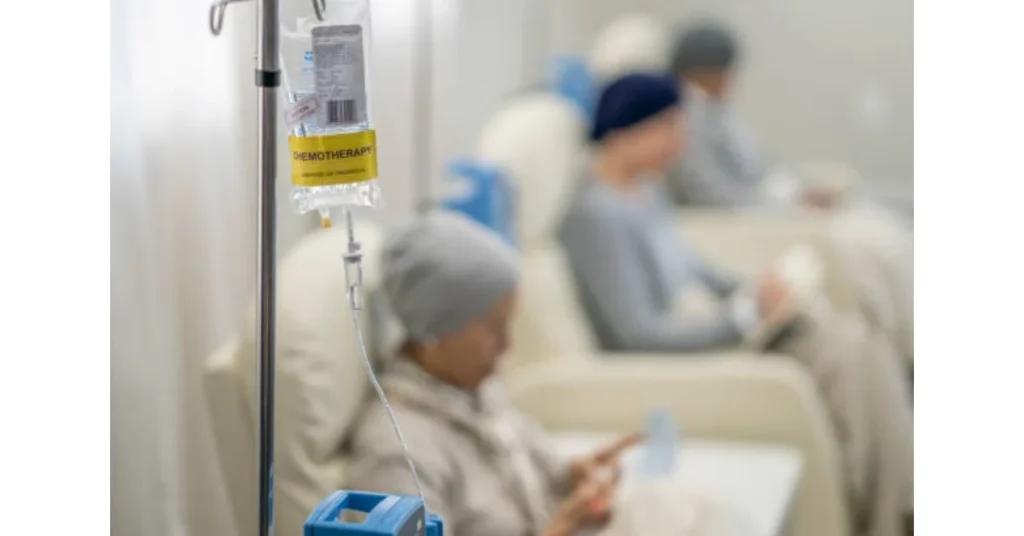
This is what most people think of when they hear “cancer treatment.” Chemo uses drugs to kill fast-growing cells—including cancer.
But here’s what many don’t know: There are dozens of types of chemo, and not everyone loses their hair.
How it’s given:
- Pills
- IV infusions
- Injections
Side Effects:
- Fatigue
- Nausea
- Hair loss
- Lowered immunity
Chemo is powerful but manageable. New support meds reduce nausea and side effects significantly.
4. Immunotherapy
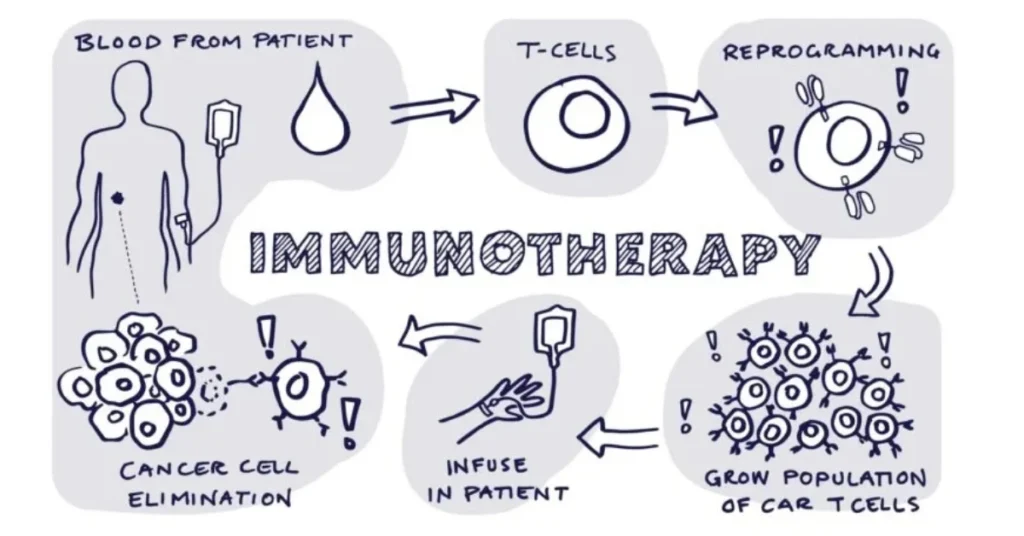
This treatment boosts your body’s own immune system to fight cancer. It’s one of the most promising frontiers in oncology.
Types of immunotherapy:
- Checkpoint Inhibitors: Help immune cells recognize cancer.
- CAR T-Cell Therapy: Engineered T-cells attack cancer directly.
- Cancer Vaccines: Train your immune system to target cancer cells.
Best for: Melanoma, lung cancer, some blood cancers.
Side Effects:
- Flu-like symptoms
- Inflammation
- Autoimmune reactions (in rare cases)
Not all cancers respond to immunotherapy. Ask your oncologist if biomarker testing (like PD-L1) is right for you.
Immunotherapy is revolutionising cancer care—but it’s not yet universal.
5. Targeted Therapy
This is precision medicine in action. Targeted therapy focuses on specific genes or proteins in cancer cells.
How it works:
- Blocks signals that cancer cells need to grow
- Can cut off the blood supply to tumors
Common drugs: Herceptin (for HER2+ breast cancer), Gleevec (CML)
Side Effects:
- Diarrhea
- Skin issues
- Liver problems (monitored with blood tests)
Targeted therapy is like a sniper—it hits cancer with fewer side effects than traditional chemo.
6. Hormone Therapy
Used for hormone-sensitive cancers like breast and prostate cancer.
How it works:
- Blocks your body from producing certain hormones
- Or prevents cancer cells from using them
Examples:
- Tamoxifen (breast cancer)
- Lupron (prostate cancer)
Side Effects:
- Hot flashes
- Mood swings
- Bone thinning
Hormone therapy is often part of long-term cancer control, especially after surgery or radiation.
7. Stem Cell/Bone Marrow Transplant
This treatment replaces damaged bone marrow (which makes blood cells), often after high-dose chemo or radiation.
Used for: Blood cancers like leukemia, lymphoma, multiple myeloma.
Process:
- Harvesting: From self or donor
- Conditioning: High-dose chemo/radiation
- Transplantation: Stem cells infused into the bloodstream
- Recovery: Immune system rebuilds over weeks to months
Recovery can be intense. A support system and a clean environment are crucial.
A stem cell transplant can offer a cure, especially for blood cancers, but it’s a complex journey.
How Doctors Decide the Best Treatment for you
You’re not handed a random plan. Behind every recommendation is a team and a strategy to treat cancer.
Steps include:
- Diagnosis & staging: Imaging, biopsies, lab results
- Tumour board discussions: A Group of experts collaborates on your case
- Personalised care plans: Based on age, health, cancer type, and your preferences
Always ask your doctor, “What are my options, and why do you recommend this path?”
What to Expect During Treatment
The treatment process is usually a journey that looks like this:
- Consultation & planning
- Treatment sessions (surgery, chemo cycles, radiation appointments)
- Monitoring: Scans, bloodwork
- Follow-ups for months or years
Common experiences most people face are Tiredness, Emotional swings, Nutrition challenges.
Ask for referrals to nutritionists, psychologists, or cancer support groups. These often make a huge difference.
Cancer treatment isn’t just physical. Support your emotional and mental health too.
Frequently Asked Questions
Will treatment cure my cancer?
It depends on the type and stage. Some cancers are curable, while others are manageable for years.
What are the risks?
Every treatment has side effects. Your doctor will explain the risks and benefits.
Should I get a second opinion?
Always a good idea—especially for rare or late-stage cancers.
What about clinical trials?
They can be a great way to access cutting-edge treatments. Ask your doctor if you qualify.
No question is too small. Stay curious and advocate for yourself.
Conclusion
Cancer may feel like the scariest word in the world—but it doesn’t have to be a mystery.
The treatment landscape is evolving, and our cancer care team is here to guide you every step of the way.
There’s no “right” reaction or “one-size-fits-all” plan. There’s just your path—and we’re here to help you understand it.
Have questions?
Bookmark this guide, share it with someone who needs it, or talk to Dr. Saurabh Jain Oncologist about your treatment roadmap.
Pingback: Understanding Cancer Treatments – Site Title